
In many parts of rural New Zealand, households rely on rainwater stored in large tanks to meet their daily water needs. With no access to mains water, choosing the right kind of water tank—and keeping it in top condition—is essential for the health and wellbeing of your family. At The Water MD, we specialize in cleaning and repairing concrete water tanks that supply drinking water in the Manawatu / Dannevirke region. But when it comes to deciding between concrete and plastic water tanks, there’s no one-size-fits-all answer.
In this article, we’ll take a balanced look at the pros and cons of both tank types to help you make an informed choice—and understand why regular maintenance is crucial, no matter what kind of tank you have.
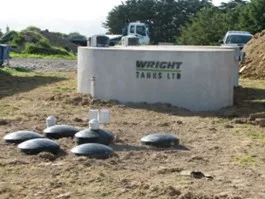
Concrete Water Tanks: Strength, Longevity & Natural Insulation
Pros:
- Durability: Concrete tanks are known for their strength and long lifespan. With proper care, they can last over 50 years.
- Thermal Stability: Concrete naturally insulates water, keeping it cooler in summer and warmer in winter—reducing the risk of algae growth.
- Structural Resilience: These tanks can be buried or partially buried, making them ideal for locations with space constraints. Often people grow climber plants over them to disguise them.
- Taste: Some people prefer the “natural” taste that comes from water stored in concrete tanks, which may benefit from trace minerals leaching into the water.
Cons:
- Cracking and Leaks: Over time, movement in the ground or simple aging can lead to hairline cracks, causing leaks or contamination.
- Weight: Installation requires heavy equipment and careful planning, as concrete tanks can’t be easily moved once in place. So if access to your site is restricted, a concrete tank may not be a good choice.
- Algae and Sediment Buildup: While less prone to temperature fluctuations, concrete’s porous surface can hold onto sediment and algae if not cleaned regularly.
- Cost: Initial costs tend to be higher due to material and transport expenses.
Plastic (Polyethylene) Water Tanks: Flexibility and Cost-Effective Performance
Pros:
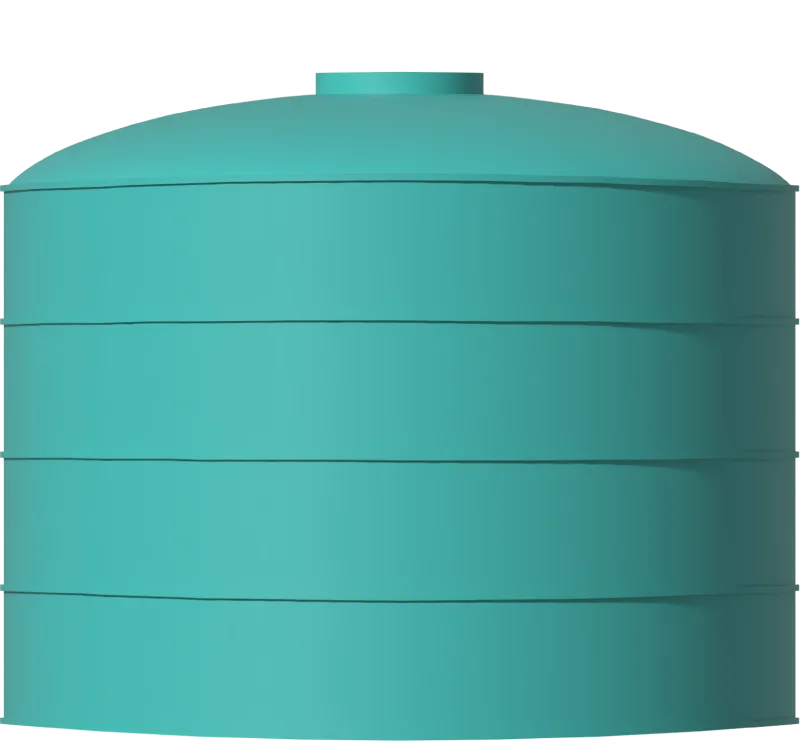
- Lightweight & Easy to Transport: Poly tanks are significantly lighter than concrete, making them easier to install—even in remote or hard-to-access areas.
- Lower Upfront Cost: Generally more affordable than concrete tanks, making them a popular choice for smaller households or tight budgets.
- Corrosion-Resistant: Plastic tanks aren’t susceptible to rust or corrosion, which is particularly helpful in coastal or high salt and wind areas in New Zealand.
- Variety of Sizes and Colours: Plastic tanks come in a range of sizes, shapes, and colours to suit your space and blend with your surroundings.
Cons:
- UV Degradation: Despite UV stabilisation, plastic tanks can degrade over time in harsh sun, especially if not maintained or positioned well.
- Shorter Lifespan: Typically, plastic tanks last around 15–25 years—less than a well-maintained concrete tank.
- Thermal Conductivity: Plastic tanks heat up and cool down quickly, which can increase the risk of bacteria and algae growth if not properly managed.
- Structural Weakness: They are more prone to damage from impacts, shifting ground, or something running into them.
Which Tank is Right for You?
When choosing between a concrete or plastic tank, it comes down to your location, budget, intended use, and long-term maintenance expectations. Concrete tanks offer excellent longevity and thermal benefits, especially for large households or long-term installations. Plastic tanks are more flexible, easier to install, and a great option for seasonal properties or smaller families.
Either way, your tank is only as safe as its maintenance. Dirty tanks can become breeding grounds for bacteria, algae, and other contaminants—no matter what they’re made of.
Regular Cleaning & Repair: Why It Matters
Over time, both concrete and plastic tanks accumulate sludge, organic matter, and other contaminants. This can affect water quality, taste, and even your family’s health. At The Water MD, we specialise in:
- Professional water tank cleaning
- Crack and leak repair for concrete tanks
- Inspections and water quality checks
- Emergency repairs and ongoing maintenance
We work with rural and off-grid households in the Manawatu & Dannevirke area, helping ensure that your water remains clean, safe, and reliable all year round.
Trust The Water MD—New Zealand’s Water Tank Specialists
Get in touch today for a free consultation or quote—and let’s keep your drinking water pure, fresh, and flowing.
Whether your tank is made of concrete or plastic, trust The Water MD to keep it clean, safe, and structurally sound. We bring expert care, local knowledge, and years of experience to every job.

Posted: 30 April 2025
Category:
Tips
/