
Rainwater harvesting is a smart, sustainable solution for many Kiwi homes. Whether you’re living rurally, off-grid, or simply reducing your environmental impact, collecting rainwater off your roof is a cost-effective way to provide safe drinking water.
But to keep your water clean and your system functioning efficiently, gutter maintenance is absolutely essential. The good news? It doesn’t have to cost the earth.
In this guide, we’ll cover economical ways to clean and maintain guttering in New Zealand, especially when used for drinking water collection. We’ll also explain how regular care protects your family’s health and saves money in the long run.
________________________________________
Why Gutter Maintenance Matters for Rainwater Harvesting
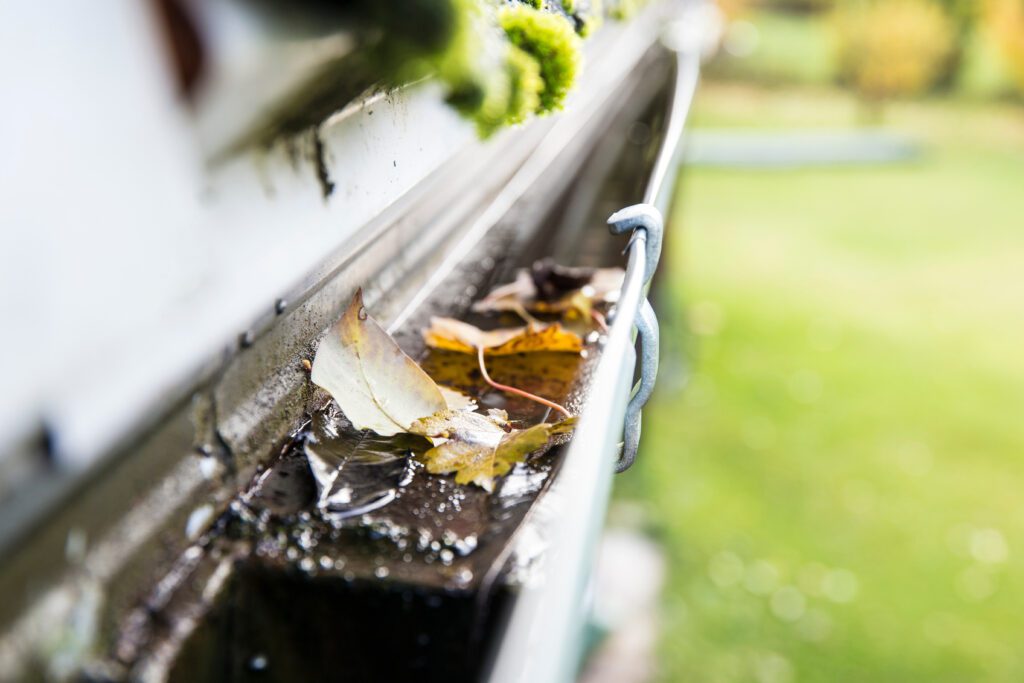
If your home uses a rainwater tank, your roof and guttering system is the first line of defence against contamination. Leaves, bird droppings, insects, and dirt can all end up in your drinking water if your gutters aren’t kept clean.
Common risks of unmaintained gutters:
• Bacterial contamination of drinking water
• Blocked downpipes leading to overflow or water damage
• More frequent filter changes and tank cleaning
• Reduced lifespan of your rainwater system
________________________________________
Six Economical Ways to Clean & Maintain Gutters in NZ
1. Install Gutter Guards or Leaf Screens
Gutter guards are a smart one-time investment. They reduce leaf build-up and prevent large debris from entering your gutter system. This not only protects your rainwater but minimises how often you need to clean.
Tip: Choose food-safe, UV-stable materials that are suitable for potable water systems.
________________________________________
2. DIY Gutter Cleaning (Low-Cost & Effective)
Doing it yourself is one of the most affordable gutter maintenance options in New Zealand. Clean your gutters at least twice a year — especially after autumn.
DIY checklist:
• Wear gloves and use a stable ladder
• Scoop out leaves and sludge using a gutter trowel or scoop
• Flush the system with a garden hose
• Inspect for rust, cracks, or pests
Safety note: Avoid cleaning gutters during rain or high winds, and always use a spotter. If you are using a ladder you’ll need to take extra care and follow safe use practices. N.B. ACC reports that ladder injuries cost $17Million a year in New Zealand, a total of more than 9,000 accidents each year. Sadly, there is at least one fatality per week in New Zealand from ladder accidents!
________________________________________
3. Install First-Flush Diverters
These simple, budget-friendly devices redirect the first, most contaminated rainwater away from your tank. This reduces sediment and bacteria entering your system.
They’re ideal for keeping roof water safe for drinking, especially when combined with good filters and UV treatment.
________________________________________
4. Trim Overhanging Trees
Overhanging branches are a major source of leaves and bird droppings. Regularly trimming trees around your roof helps keep your gutters clear — reducing cleaning frequency and improving water quality.
________________________________________
5. Use Natural Cleaning Solutions
Avoid chemical cleaners that could enter your tank water. Instead, if needed, use natural disinfectants like vinegar to clean gutters and downpipes.
________________________________________
6. Set a Seasonal Maintenance Schedule
Prevention is cheaper than repair. Create a simple calendar to:
• Inspect gutters each season
• Clean after storms or heavy leaf fall
• Check first-flush and filters regularly
Even 10 minutes every few months can save you hundreds in repairs and filter replacements.
________________________________________
Should You Hire a Professional?
While DIY works for many, a professional gutter cleaning service in NZ can be a smart choice — especially if your home is multi-storey or hard to access.
Pros of hiring a local gutter cleaner:
• Safe, fast, and thorough cleaning
• Early detection of corrosion or design issues
• Advice on water safety and filtration
• Maintenance of downpipes and diverters
Tip: Choose a provider experienced in rainwater harvesting systems and drinking water safety.