
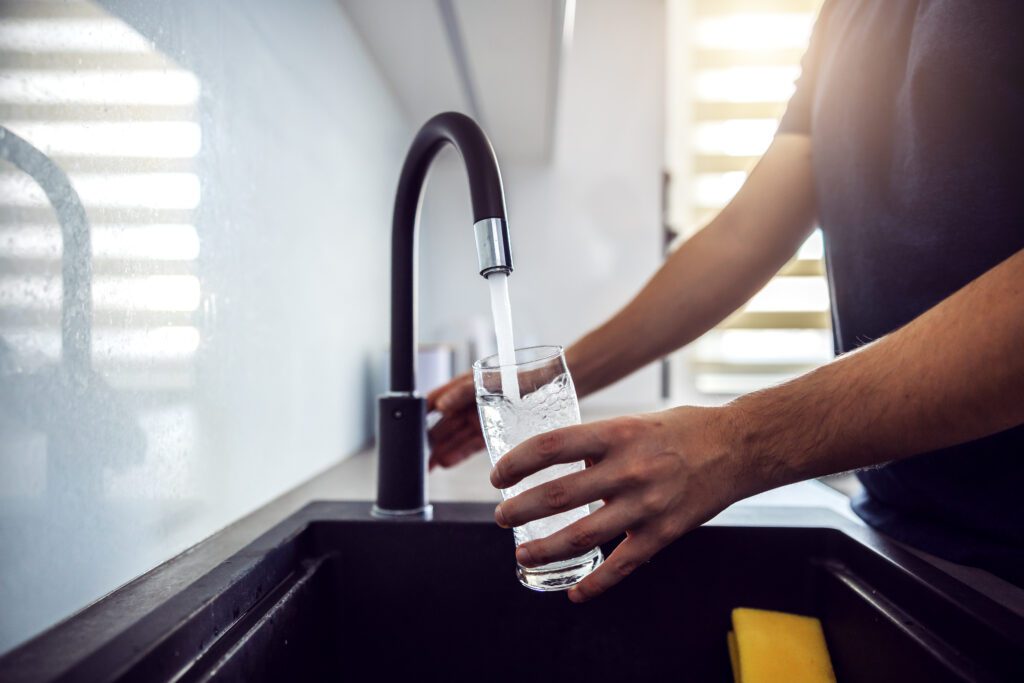
In rural New Zealand, collecting rainwater off the roof into a water tank is a practical and sustainable way to access drinking water. Most of the time, this system works perfectly well — delivering clean, fresh water straight to your tap. But like any water source, it’s important to understand the potential health risks if the system isn’t well maintained.
Common Waterborne Illnesses in NZ Roof-Collected Water
When rainwater passes over a roof, it can pick up more than just leaves and dust. Bird droppings, animal matter, dead insects, or even decaying plant material can introduce harmful microorganisms into your tank, the most common being:
• Campylobacter – A bacteria that causes diarrhoea, cramps, and fever. It’s the most commonly reported waterborne illness in NZ.
• Giardia – A parasite that leads to stomach pain and prolonged diarrhoea, often caught from contaminated roof water or untreated bore water.
• E. coli – Found in faecal matter, this bacteria is a key indicator of contamination, though most strains are harmless. Some can cause severe stomach upset.
• Salmonella – Less common, but it can occur in water contaminated by animal waste.
How Common Are These Illnesses?
The good news is that serious waterborne illness from roof-collected water is relatively rare in New Zealand — particularly for those who maintain their tanks and filters regularly.
According to ESR (Institute of Environmental Science and Research), most campylobacter and giardia cases are linked to food handling or recreational water, not household roof water. Still, investigations have found isolated outbreaks in rural homes using unmaintained roof supply.
In other words: problems arise when systems are neglected — not when they’re properly looked after.
Simple Steps to Stay Safe
• Clean your roof and gutters regularly
• Install a first flush diverter to keep the first, dirtiest rain out of your tank
• Have your tank cleaned every 2–3 years, or more often if there’s visible sediment or odour
• Consider a UV filter or other certified treatment if you’re concerned about pathogens
• Test your water annually, especially if young children, elderly, and people in poor health already, use the supply
Final Word
Roof-collected water is a fantastic, sustainable source of drinking water for many Kiwis — and with just a little upkeep, it can remain safe and healthy. Understanding the risks is the first step to preventing them.